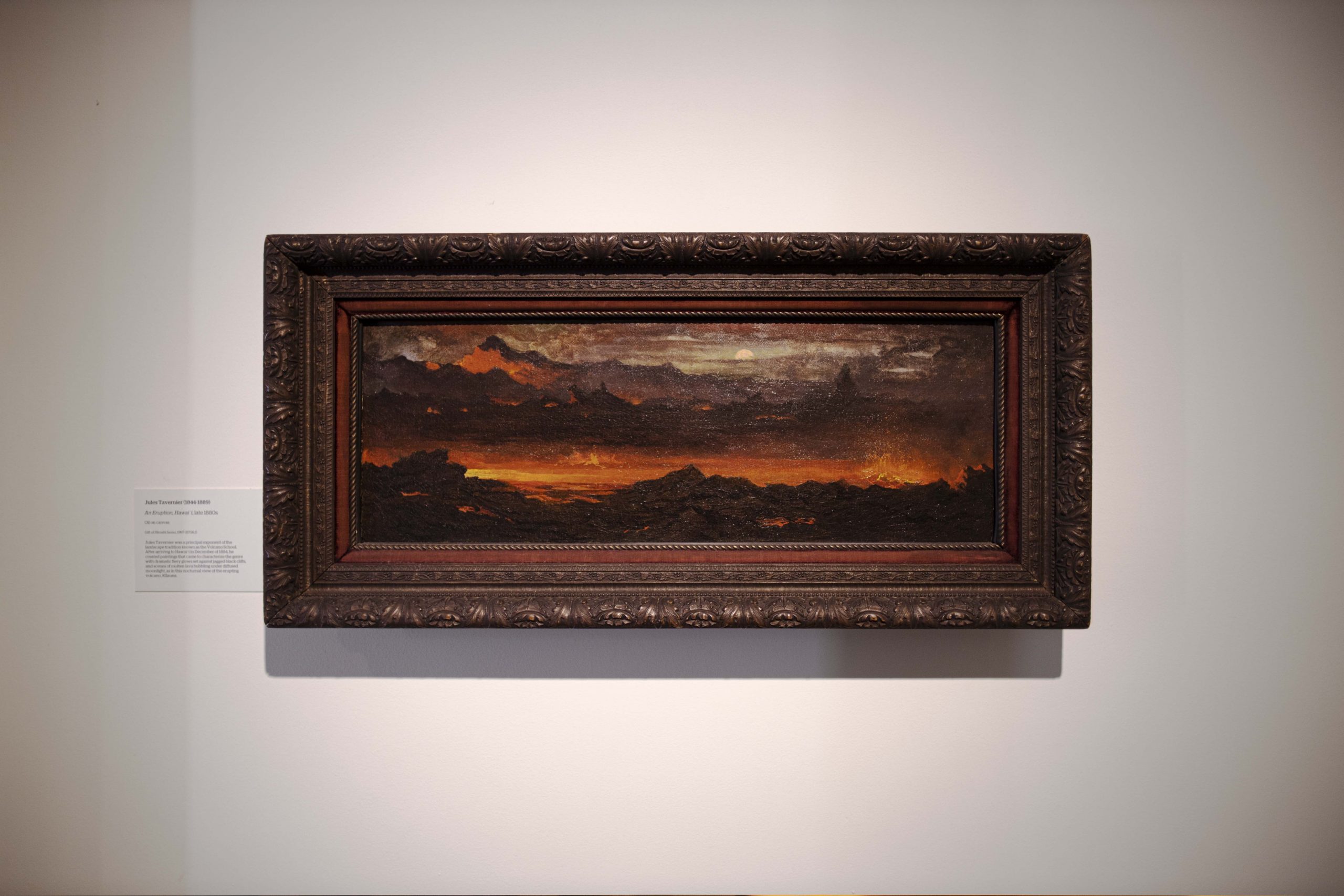
Actually, there are two cats to be seen in the photo, but Kinikini is a bit harder to locate.

Actually, there are two cats to be seen in the photo, but Kinikini is a bit harder to locate.
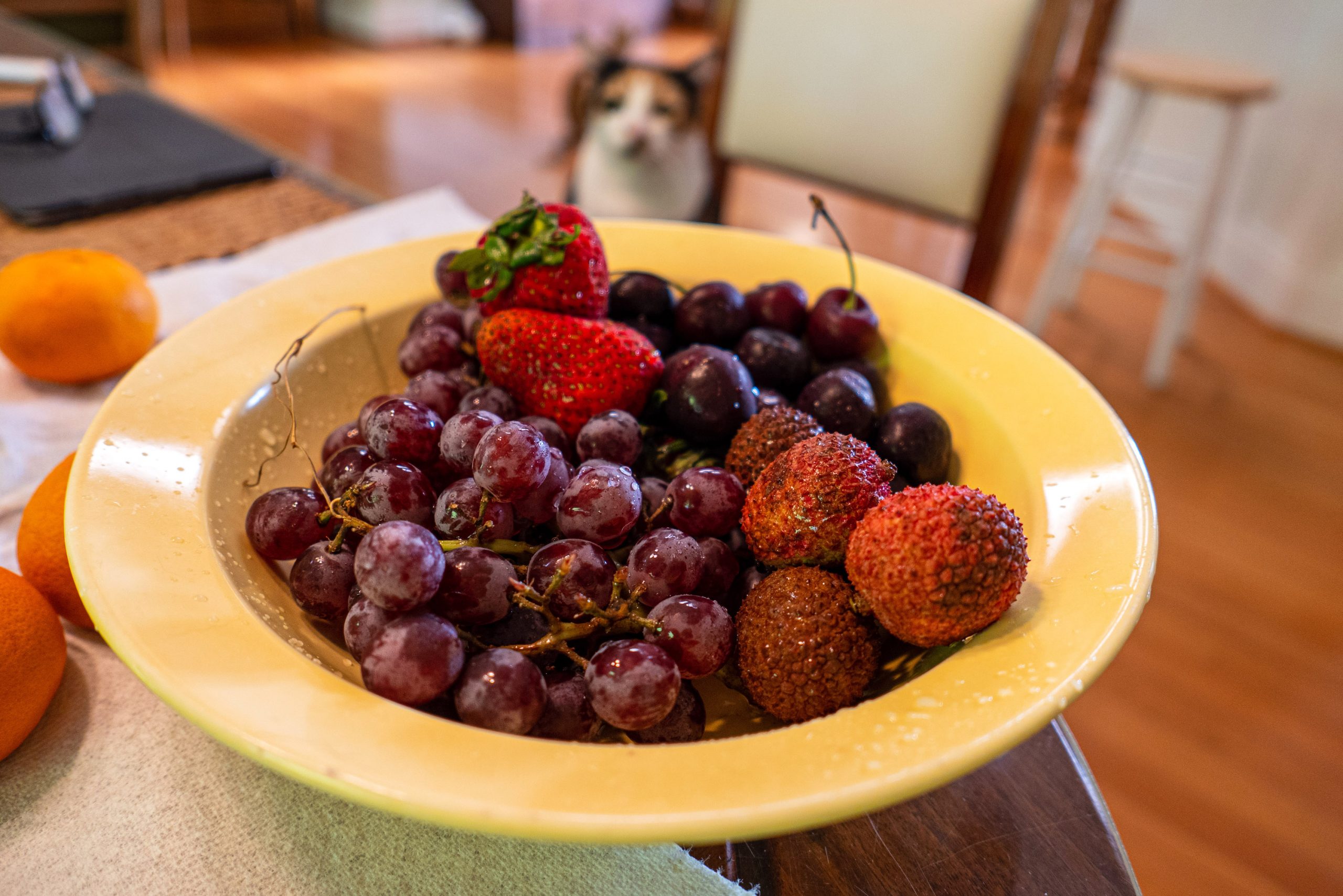
Here’s a selfie taken in November 2018 when I visited the High Museum of Art in Atlanta. We were there in Atlanta for Meda’s American Society of Criminology meetings, and I explored a bit while she was working.
Here’s a link for more from the High.
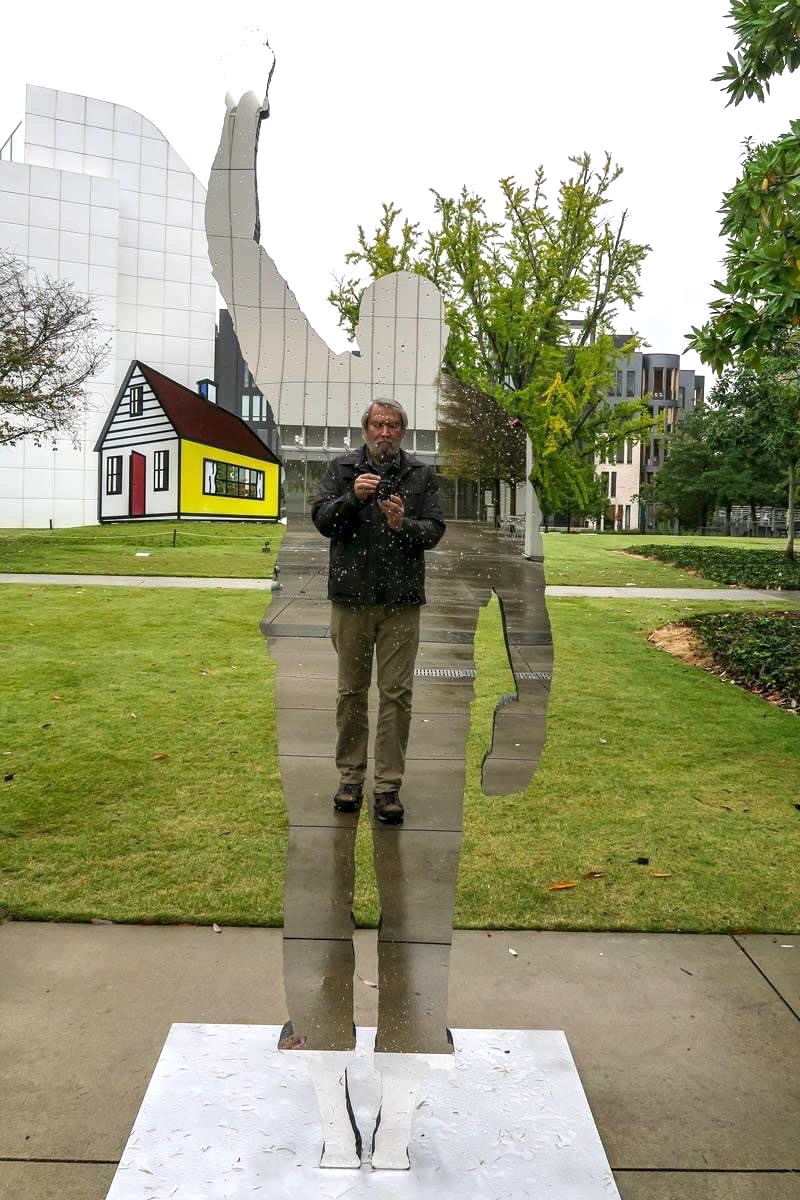
We received a wonderful little postcard yesterday from The Merwin Conservancy, the foundation established by the late poet W.S. Merwin.
It captures so much in just a few words.
The card reprints William’s hand-written note found late in his copy of a 1995 zen reader by Nelson Foster and Jack Shoemaker.
Foster grew up in Hawaii, was long associated with Robert Aitken’s Honolulu Diamond Sangha, and has become a well-known and respected Zen teacher at a zen center in Massachusetts, after years of commuting between Honolulu and a zen center in the mountains of California. His dad was James Foster, who served as director of the Honolulu Academy of Arts (now known as the Honolulu Museum of Art) from 1963 to 1982.
Merwin’s note is deceptively simple.
To the Book Beetles
You need the bindings I see
Please leave me the pages
The postcard notes the binding was almost completely gone when the note was discovered.
The simple note tells us so much.
William took a simple moment–finding that bugs were eating one of his books–and turned it into a moment of poetry in this simple request directed to the book beatles.
And even while writing out this simple statement, he took the care–and the time–to immediately focus on, reread, and then edit his first version in order to make it more to his own liking.
“Just leave me the pages please,” became “Please leave me the pages.”
It’s the care that made him a great poet and a great observer of life.

On the Maui-based Merwin Conservancy:
It conserves both an extraordinary place—a lush and rare, 19-acre palm forest that two-time Pulitzer prize winning poet W.S. Merwin beckoned into being from land designated as agricultural wasteland—and it conserves the sense of wonder that brought forth both Merwin’s poetry, and his garden.
The current eruption in Kilauea’s Halemaumau Crater elicited this email blast to supporters from the Honolulu Museum of Art.
Volcano School paintings transport viewers to Kilauea
When an eruption in the Kilauea caldera occurs, vents pour molten hot lava into the crater, creating a glowing red lake visible for miles. Many in the Islands know this majestic spectacle of nature to be a display of the power of Pele, the Hawaiian goddess of fire, her powers of birth and destruction revealed in her home at Halema‘uma‘u crater. This otherworldly image of the living, moving, glowing, red lake of molten rock inspires many to capture the view as they visit Hawai‘i Volcanoes National Park. That same view was also captured by visiting artists in the romantic landscape and scientific inquiry periods of the late 19th and early 20th centuries, by group of painters referred to as the Volcano School.
HoMA has three works by Volcano School painters currently on view: Jules Tavernier’s An Eruption, Hawai‘i, Ambrose Patterson’s Mount Kilauea, The House of Everlasting Fire, and Charles Furneaux’s Untitled, all displayed in the John Dominis and Patches Damon Holt Gallery of the Arts of Hawai‘i.
Jules Tavernier, one of the most important Volcano School painters, arrived in Hawai‘i in December of 1884. He created paintings that came to characterize the genre with dramatic scenes of molten lava bubbling under diffused moonlight, jagged black cliffs, and fiery glows, as seen in his nocturnal view of Kilauea.
Australian painter and printmaker Ambrose Patterson arrived in Hawaii on a stopover in 1916, and decided to stay with a friend in Honolulu, where he remained for the next 18 months. Patterson was described as having particular interest in Kilauea, incorporating the subject into many of the paintings and block prints he produced during his time here.
In 2016, HoMA unveiled the exhibition Charles Furneaux and the Sublime, showcasing the fiery Hawai‘i volcano scenes that have intrigued viewers since Furneaux began painting them in the late 19th century. In a blog post announcing the exhibition, Furneaux’s paintings are described as “among the most sublime depictions of smoldering lava pools, lightning bolts over the ocean, steaming vents and heavy clouds signaling the active presence of the volcano.” At the time, the exhibition debuted a major museum acquisition—the untitled painting by Charles Furneaux (pictured below) that underwent careful conservation by Larry and Rie Pace.