My mother, Helen Yonge Lind, was born in Honolulu in 1914. She died early this year, just months short of her 99th birthday.
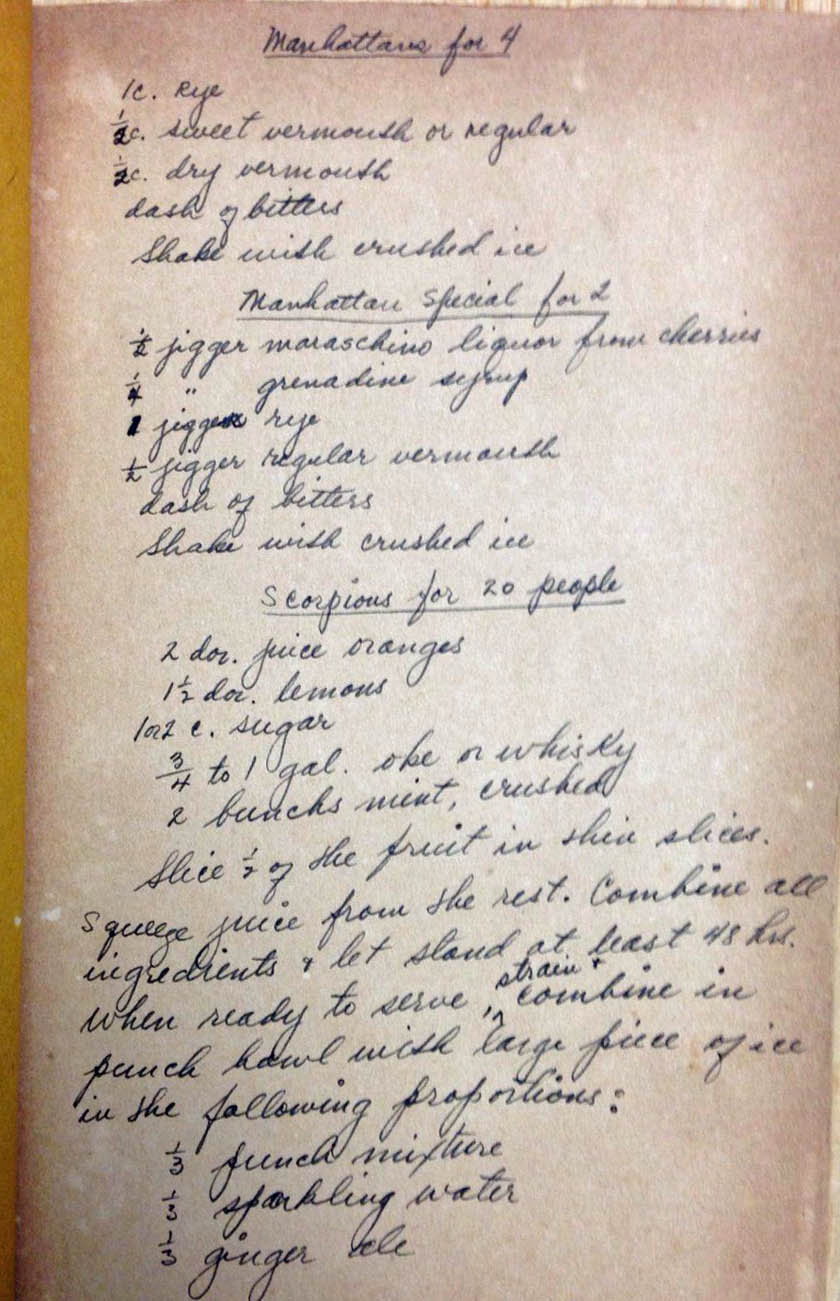
This is one of a series of short vignettes of life during her early years, transcribed from her original typed and handwritten notes.
Today’s contribution: Waipahu.
Most of my childhood memories are of Waipahu and the Oahu Railroad, as my father worked for the railroad as a station agent, first at Puuloa and later at Waipahu.
I have only faint memories of the Puuloa Station, which was located near today’s entrance to Hickam Field. It was a smallish structure located in the middle of cane fields on the makai side of the train tracks. On the mauka side of the tracks was a cottage where a Hawaiian couple lived and may have operated a small store. Alongside the station, a road running in the Ewa direction led to Pearl Harbor and another disappeared through the cane fields to Watertown and Fort Kamehameha.
We visited friends in Watertown where homes were built on the edge of a rocky shoreline, each with a pier extending out over the water. In the clear shallow water, you could see slithering sea creatures that we called “snakes.”
My father was transferred about 1917 to the Waipahu station, which was closer to civilization. It served a larger population and was surrounded by a number of stores and a rice mill. Not too far up Depot Road was the Waipahu plantation town. The road separated the station from the river which in the rainy season filled to overflowing and caused great flooding.
The station had a second story which served as the living quarters for the family. Behind the building was a small lawn area bordered by a hibiscus hedge, and beyond that was a large warehouse for goods being shipped in and out. Across the tracks from the warehouse was a large wooden water tank that serviced the train engines. In a portion of the surrounding area that was covered with bushes and weeds, my father cleared and fenced a space where he raised chickens and vegetables. By the warehouse, he raised red pidgins which provided us with the most delicious squabs.
Across the track and beyond the water tank was the entrance to a rice plantation where my sister and I spent a great deal of our time under the watchful eyes of the two oldest daughters of the Chinese family. I remember the names Ah Ting and Ah Moy. Their young brother, Ah Look, was our playmate.
We ran down the raised pathways through the rice paddies chasing flocks of rice birds and playing with the ducks. We caught frogs and small fish, and when the workers came in from the fields for lunch, we joined them in the rustic dining area sitting on stools around a quite large round table. The floor was hard-packed dirt with chickens flitting around chasing bones and bits of food from the diners. Hanging from the ceiling over the table was a large pot of rice from which we helped ourselves. The food was simple and savory and has left a lasting influence onmylife-long preference for what some call Chinese “peasant food”: salt fish, salt duck egg, fatty steamed pork (kau yuk), and green vegetables with pungent hum har sauce.
Since my father supervised the loading and shipping of the rice harvested by various rice growers in the area, our family was often invited to elaborate harvest banquets. The feasts were a sumptuous spread of many dishes elaborately prepared and delicious beyond description.
Related: