Category Archives: History

Photos of our Kahala home 60+ years apart

One of my dad’s high school friends dropped by our house with his wife in 1963, more than 30 years after they had graduated from Wilson High School in Long Beach.

Myron Brejcha and my dad remained lifelong friends, and managed to stay in touch throughout their lives. At the time of this visit, I was in high school, while ny dad and the Brejchas were turning 50.

When I recently stumbled across the 1963 photos, I thought it would be interesting to match them with others taken in the last couple of years.

On each page, 1963 is on the left, and the recent photos on the right.

In 2015, after my parents had passed away, Meda and I supervised a major renovation of the house while attempting to keep it within the same footprint and with the same feel.

Some things remain the same. For example, the giant Bird of Paradise just to the left of our front door is still there, much older and wiser now. And other photos show it was already higher than the roofline by the early 1950s.

Other things have changed, though. The coconut trees are gone. You can see there were coconuts on the two front corners of the hard, fronting Kealaolu Avenue, and several more across the back of the yard, and for a while one on either side of the lanai. But two things happened. The trees grew and their roots began causing problems like cracks in the concrete floor of the old lanai. More importantly, the cost of keeping the trees trimmed increased dramatically over time. So my mother slowly had them removed over a few years, a painful decision for her.

The panax hedges separating the house from the neighbors on either side have been replaced by walls, much to my mother’s dismay. This meant an end to just stepping through the space in the hedge to join a neighbor for a cup of coffee or glass of beer.

And although my parents enjoyed their ground-level covered lanai with a few stairs down from the house, we chose to replace it with a deck at the same level as the living room floor, so that you now slide open the deck doors and step right onto the lanai.

In any case, enjoy these two views of our home in Kahala.

Walking through our house and yard 60+ years apart

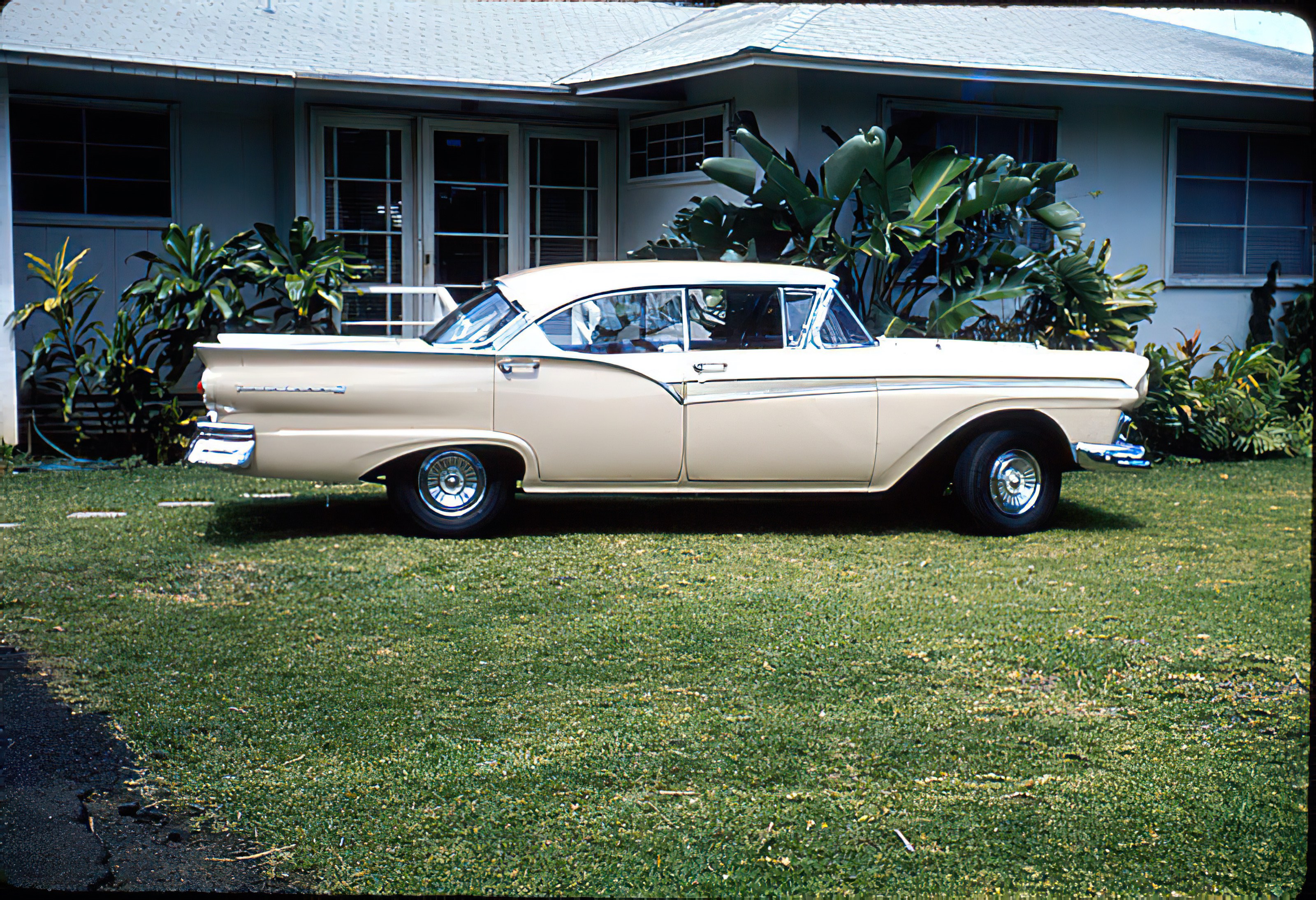
I was about 10 when this beauty drove in

I first posted this back in 2020 while we were all hunkered down as Covid worked it’s magic.

I just ran into it again, and thought I would share it a second time with a few slight edits. That car is too classic!

I remember it being very exciting as we waited for my dad to get home after buying a new car, which at that time he did every 4-5 years.

At that time, he was manager of a San Francisco-based hotel and restaurant supply company, Dohrmann Hotel Supply. I guess he thought the car made him more managerial? Or maybe he just thought it was cool, as I did.

I believe this was probably the day he took possession of this new Ford Fairlane and brought it home for the first time. I think it was a 1957 model, but could be wrong. I was too young to drive, so I just had to look. And, of course, I was assigned to wash it now and then.

Note the asphalt driveway, which was considered a big step up from the original crushed coral. It lasted another 30 years (with repairs) before being replaced by concrete courtesy of a crew that had poured a concrete driveway on a large new home next door and it was just enough to replace my parents’ aslphalt.


After my parents died, Meda and I supervised a complete renovation, sticking mostly to the original size and shape of the house except that we enclosed what had been an open carport, and also extended the front of the kitchen and living room out severa feet to allow a kitchen larger than the tiny cell my mother cooked in for about 70 years. I’m sure she would have considered the expense unnecessary and wasteful. Theirs was a different generation.

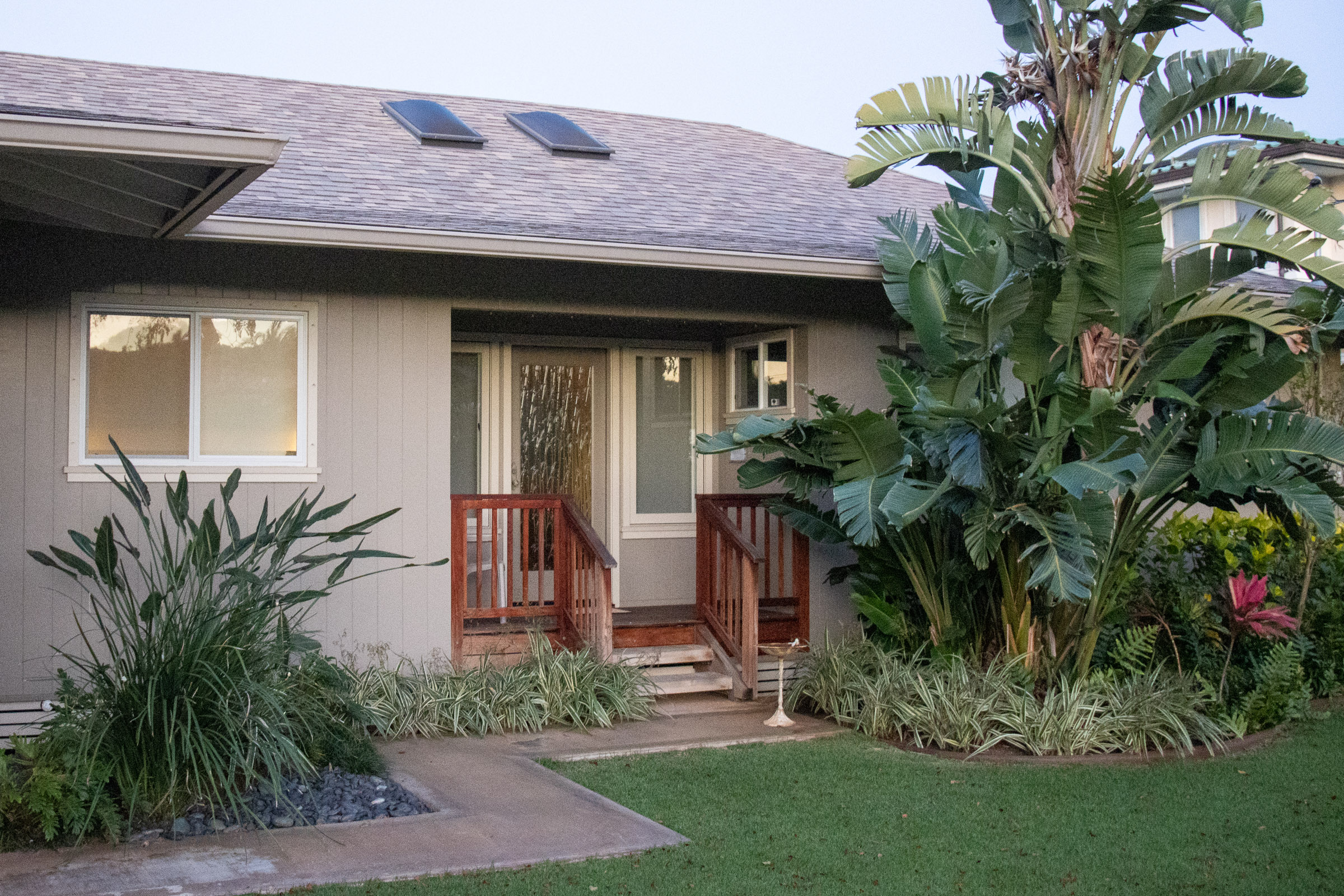
And here’s the house at it looks today. The large bird of paradise plant is still there outside the front door.


Civil disobedience in Waimea 52 years ago in support of Hawaiian rights

Saturday, May 18, 1974.

It was another iconic moment in the modern history of Hawaiian activism captured in my photos.

Here’s how I described it a number of years ago.

May 1974. Two years before the first protest landing on Kahoolawe. George Ariyoshi was serving as acting governor after the death of Gov. John A. Burns, but would have to run for the office in the election later in the year. Hawaiians and part-Hawaiians were becoming increasing restive and politically active, with long-term problems of the Department of Hawaiian Home Lands becoming key issues for many.

And then there was Sonny Kaniho, Air Force veteran and Pearl Harbor shipyard pipe-fitter. Kaniho, originally from Waimea, had been on the Hawaiian Homes waiting list for nearly two decades without being awarded any land, while watching large parcels being leased to some of the state’s largest landowners.

Perhaps an unlikely activist, Kaniho began a campaign of civil disobedience. In April 1974, Kaniho issued a public statement claiming land that had been leased to Parker Ranch in the name of the Hawaiian people waiting for land leases. The Parker Ranch lease had lapsed, and Kaniho stepped up to oppose its renewal, and used direct action in an attempt to rally support for those Hawaiians who had been waiting for land while large areas were leased to corporate interests.

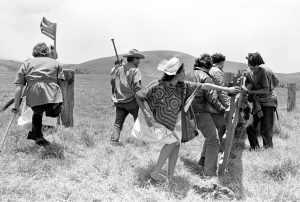
I was lucky enough to be invited to join Kaniho and supporters a month later when he moved to occupy this piece of pasture land in Waimea on the island of Hawaii.

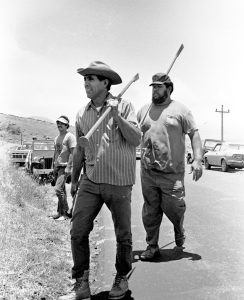
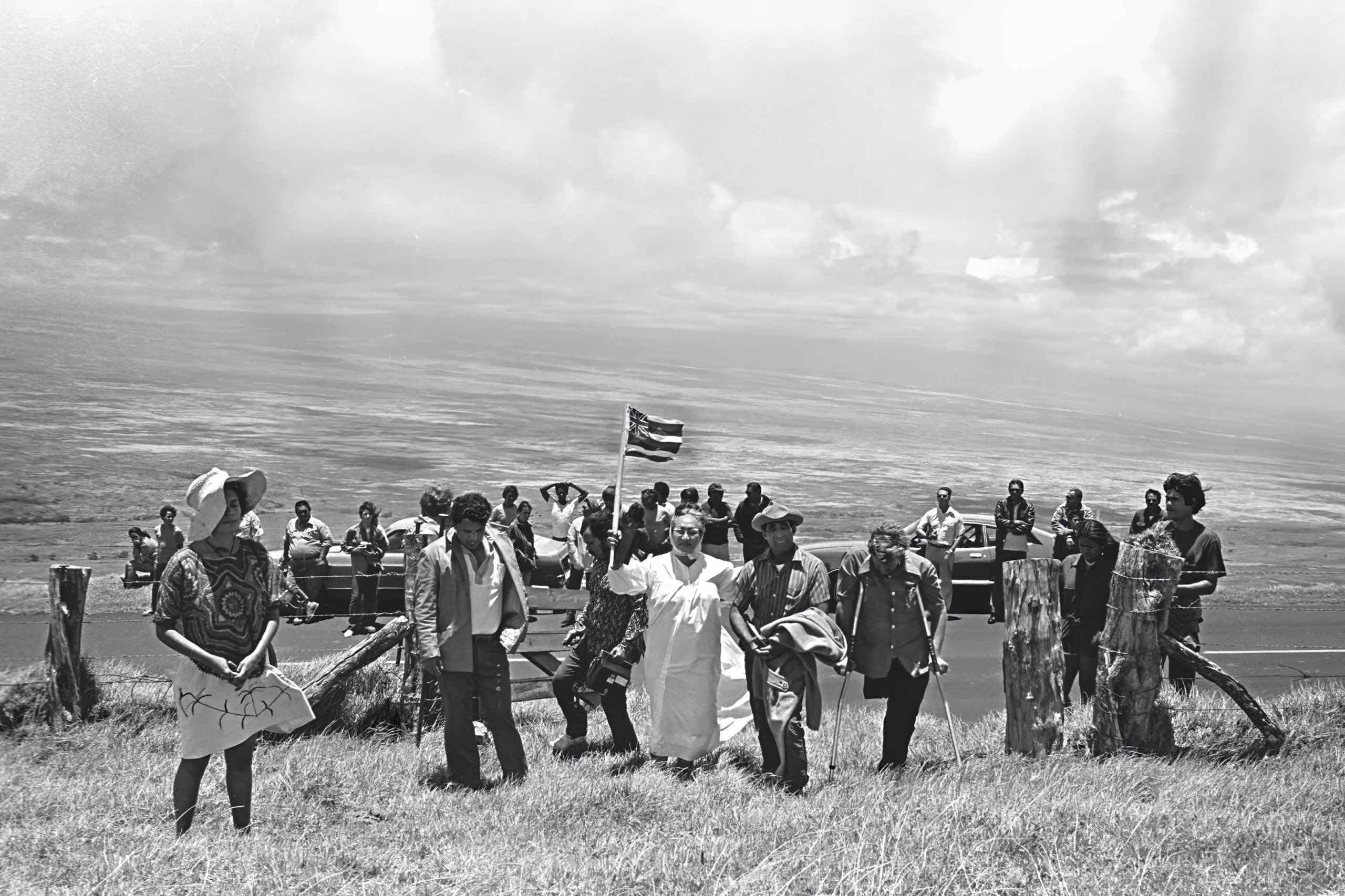
This was the scene when a Kaniho and a number of supporters removed the fence and walked into a 375-acre parcel of ranch land in Waimea. The land was described as being located mauka of Manawea Gulch on the Kohala Mountain Road about a half mile Hamakua of Puu Kawaiwai.

Hawaii Police Officer Leningrad Elarionoff later arrived on the scene and notified the group that they were trespassing and would be arrested if we did not leave. No one left, and he proceeded to issue citations to 18 people who later received summons to appear in Waimea District Court in August. After retiring from the police department, Elarionoff was elected to the Hawaii County Council.

Following a two-hour trial held on August 6, the trespassing charges were dismissed after it was determined that the month-to-month permit under which Parker Ranch controlled the parcel after expiration of its lease had itself expired. Judge Norman Olds then ruled Parker Ranch had no standing to bring the trespassing charges, and threw out the case.

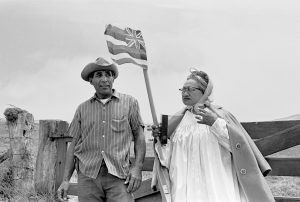
Left to right: Moanikeala Akaka; Raymond Pae Galdeira, leader of The Hawaiians; Mary-Mae Unea, chaplain for The Hawaiians; Sonny Kaniho; and Jim Letherer, a civil rights activist who famously walked on crutches the entire 54-mile length of the Selma-to-Montgomery march in support of voting rights led by Dr. Martin Luther King. He settled in Hawaii in 1970, according to a Honolulu Advertiser story at the time.

Puzzle solved with an unexpected twist at the end

In the immortal words of Yogi Berra, it’s deja vu all over again!!

While I was spinning my wheels yesterday afternoon, several readers were doing their due diligence and solving the puzzle.

A reader commenting as “Joel” was the first to point out late Sunday afternoon that I went through this same exercise in a “Throwback Thursday” post almost exactly 10 years ago!

“Hi Ian, I think the consensus the last time this was discussed is that it’s the contessa taken from hale manoa,” he wrote in a comment.

Honestly, I had no recollection that this was the second time around on this littel mystery, but it’s true!

And back in 2016, several people quickly recognized the location.

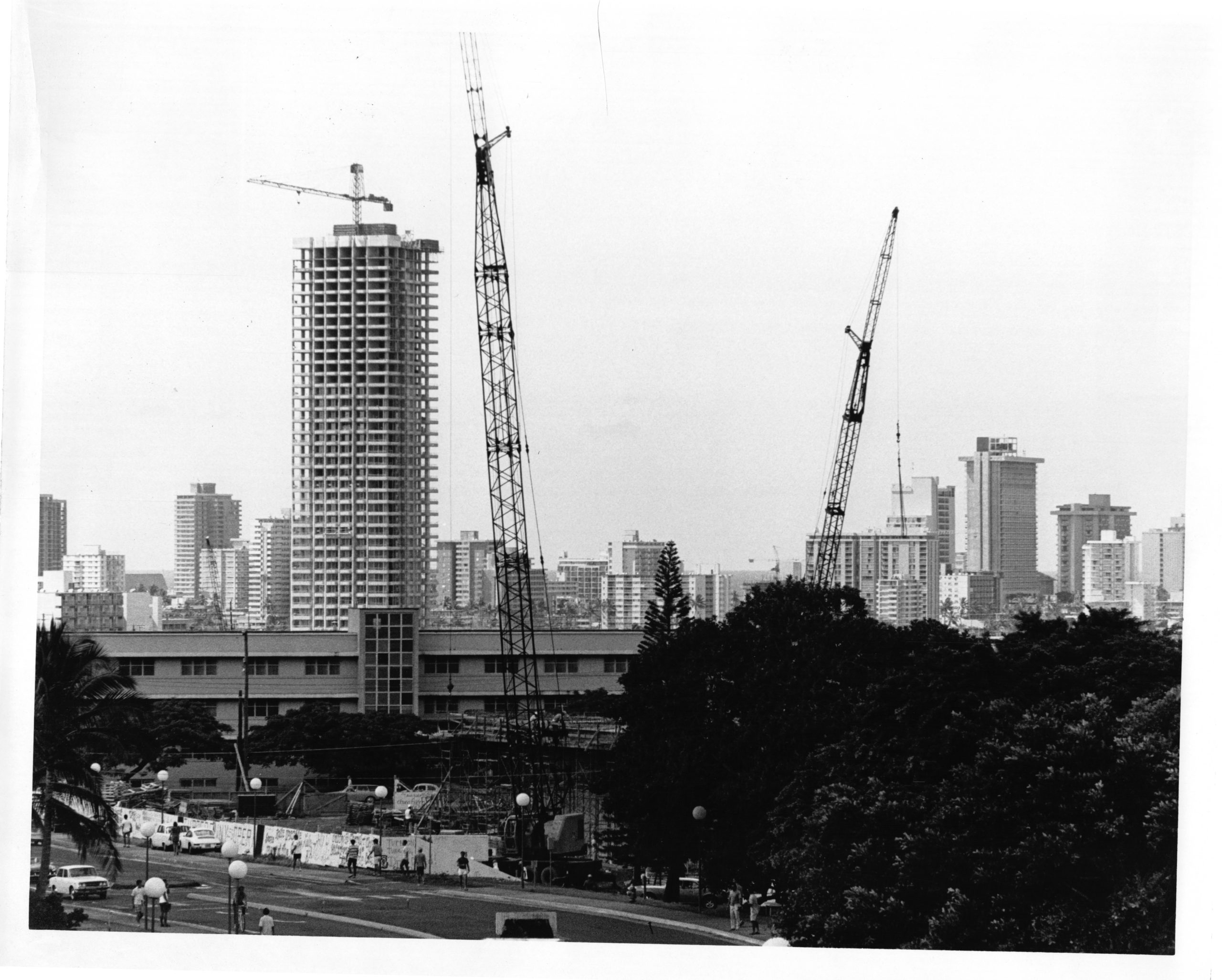
The photo is taken from Hale Manoa at the East West Center. For a period in 1970, I was the primary photographer for the East West Center, paid as a student worker. It was a lot of fun and gave me my own darkroom to work and play in. I must have spent some time in the Hale Manoa living quarters and took this photo of the view looking down toward Waikiki.

Screenshot

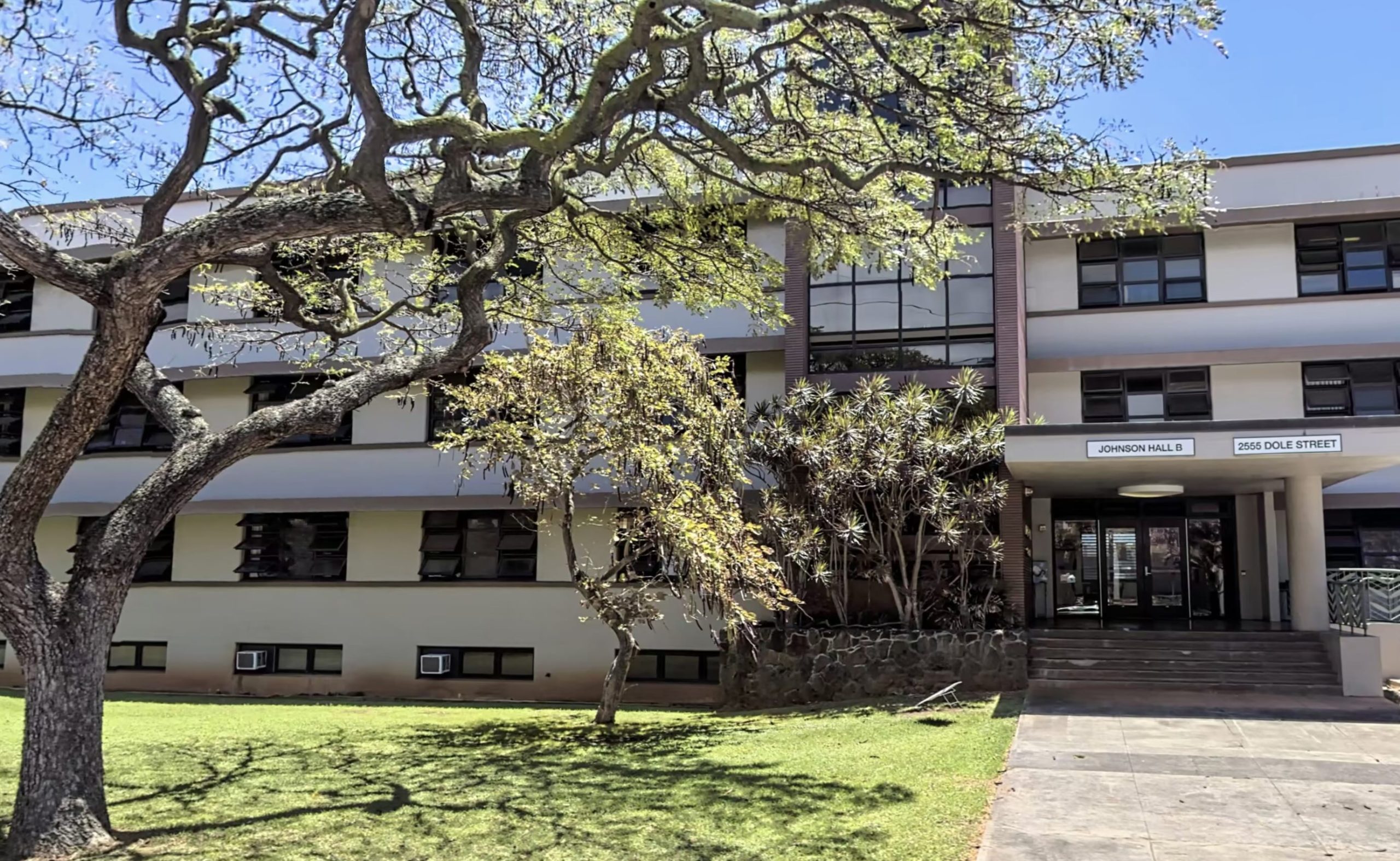
The street is East West Road, heading towards Dole Street, where the low rise building shown is Johnson Hall B, a student dorm.

The building under construction across the street, at the corner of East West Road and Dole Street, is the UH enginerring building, Holems Hall.

And at the very bottom of the photo, in the center, is the back of the sign welcoming welcoming visitors to the East West Center.

And this Google Map shows the approximate line of sight from Hale Manoa to the Contessa down on King Street, where construction appears to have been nearing completion.