Category Archives: History

After Kahoolawe, there was Makua

The January 4, 1976 protest landing on the island of Kahoolawe made news and continued to regularly continue to make news over the next several years.

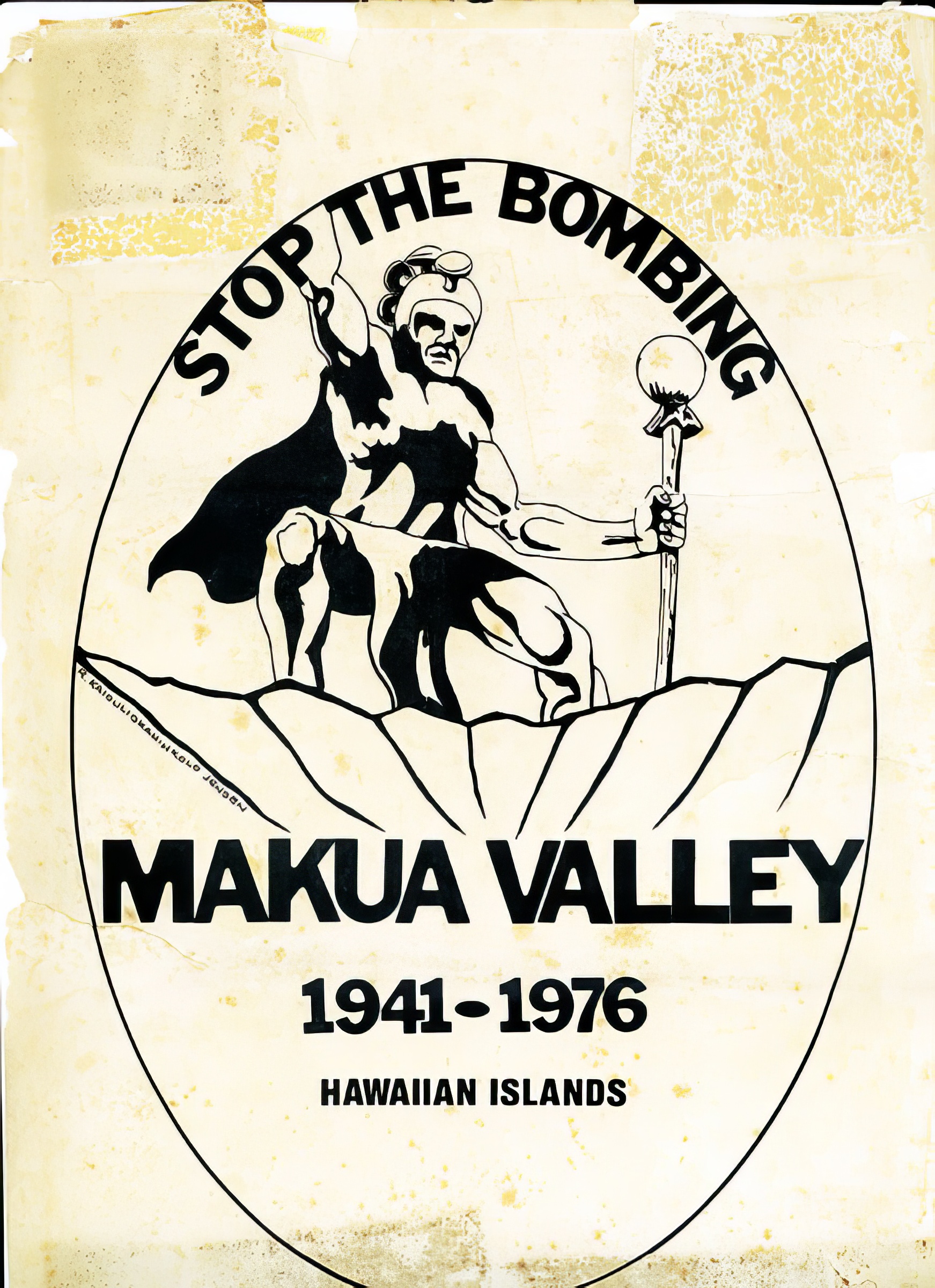
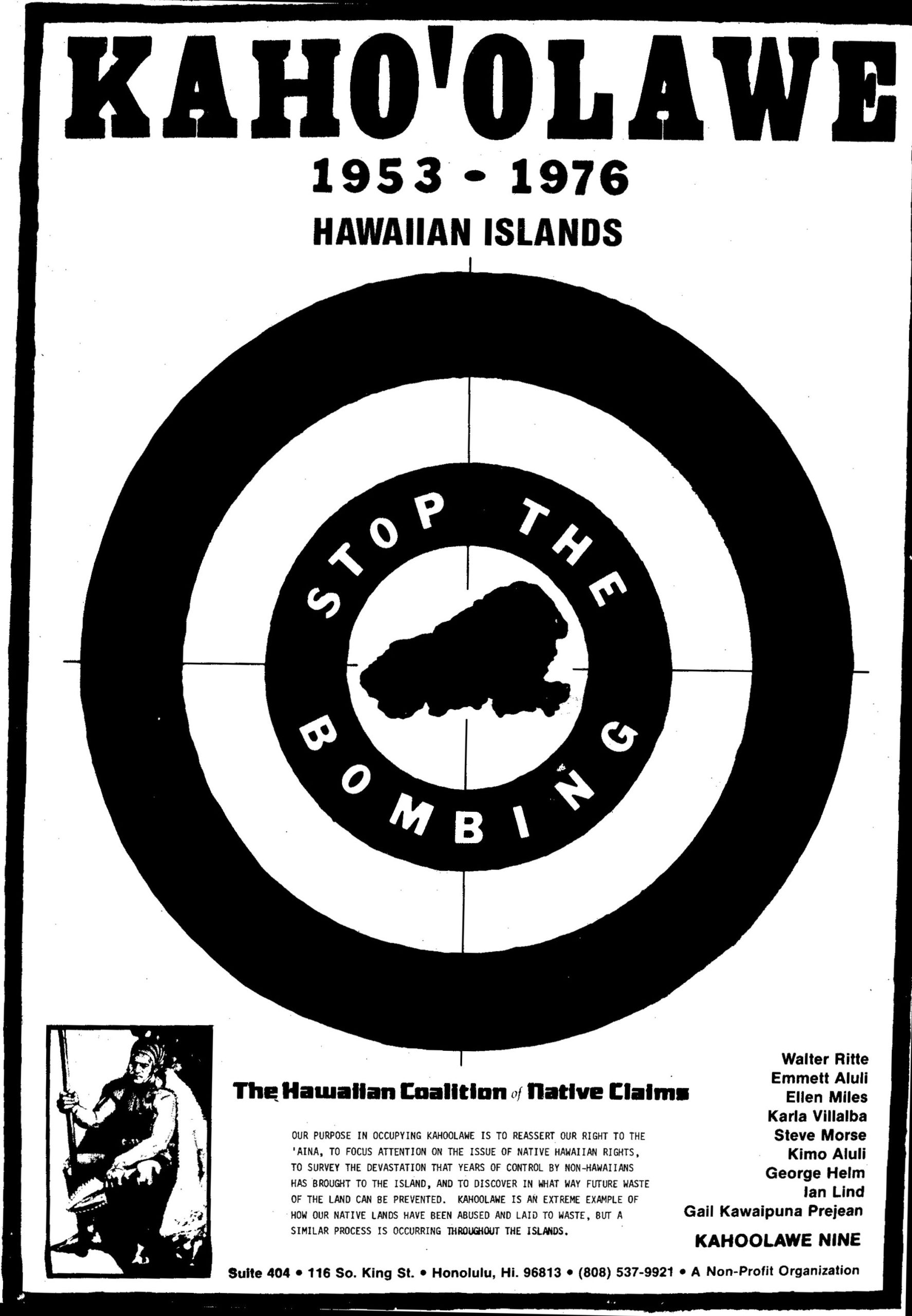
Then on Saturday, February 28, 1976, a day-long rally was held to protest the U.S. Army’s continued control and use of Makua Valley for military training. The rally was organized by the Hawaiian Coalition of Native Claims. The group’s director, Gail Kawaipuna Prejean, had been in the small group that had illegally landed on Kahoolawe the previous month in the first of many public protests against the Navy’s continued bombing of the island.

The rally was held on the makai side of the road across from the 6,600 acre Makua Military Reservation. It was a day filled with music, speeches, prayers, and more, reflecting the new and growing political and cultural activism of Hawaiians.

Late in the day, a splinter group crossed the road, ignored the Army’s “No Trespassing” signs, climbed a fence, and proceeded up a small hill where they planted a protest flag. Everyone was in high spirits.

For whatever reason, this public protest failed to capture the public’s attention in the same way that Kahoolawe did.

But I did capture some memorable moments. Click on either photo to see a larger version.

More of the photos that I could that day can be found here.

Old snapshots = amazing memory aids

Slogging through the process of scanning old snapshots stimulates the brain cells by reminding you of those past lived experiences! It turns a tedious task into a rather fun ride!

It appears that 1995 was one of Meda’s sabbatical years, although it looks like she took the spring semester off at full pay rather than the full year at half pay. That seems likely because the photo evidence is that we took at least two trips within a few months of each other, Boston in March and Melbourne, Australia, in July.

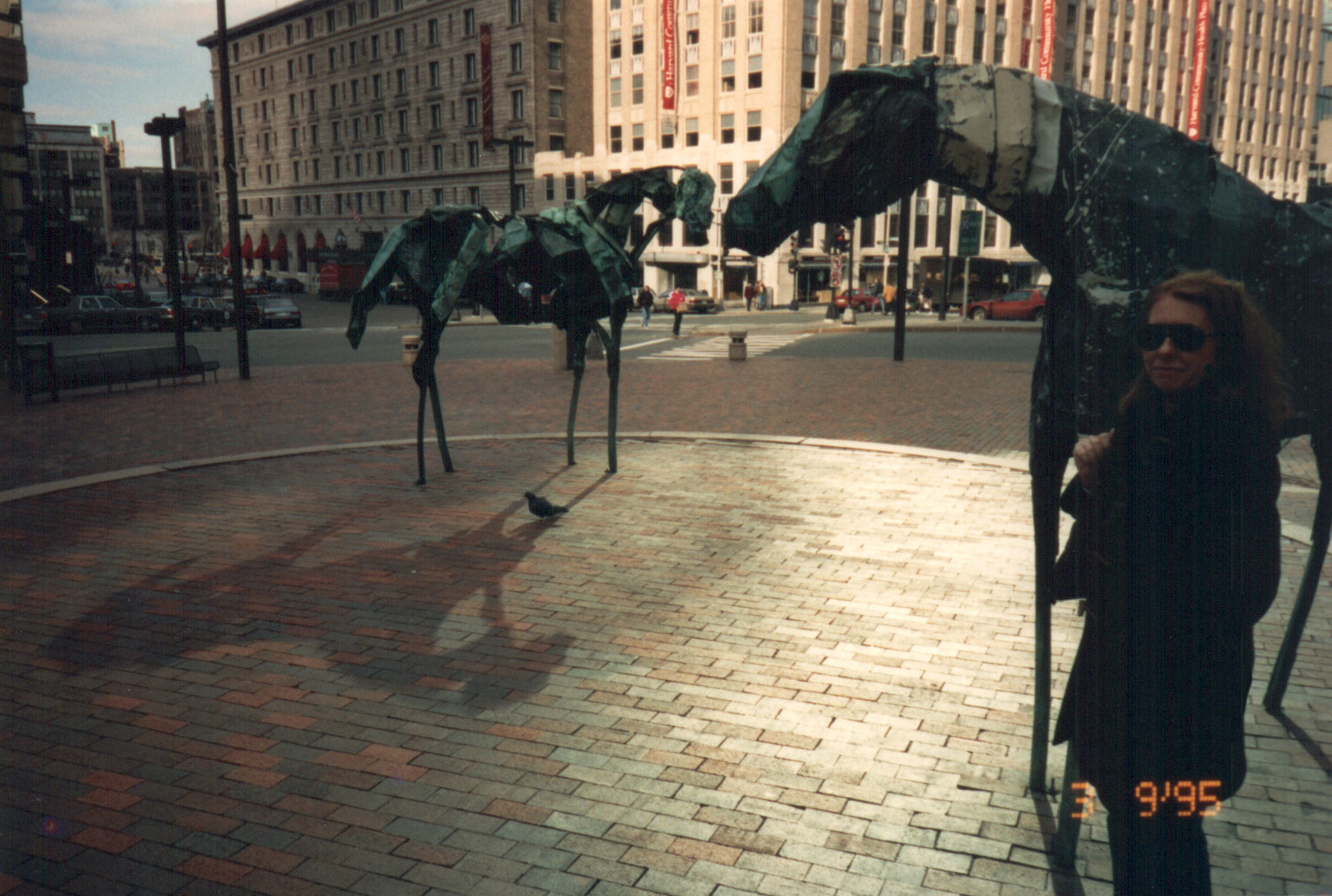
Seeing the horses reminded me that we stayed at the conference hotel, a Marriott in Copley Square. The horses are installed outside the hotel. From there, we walked around a lot of Boston.

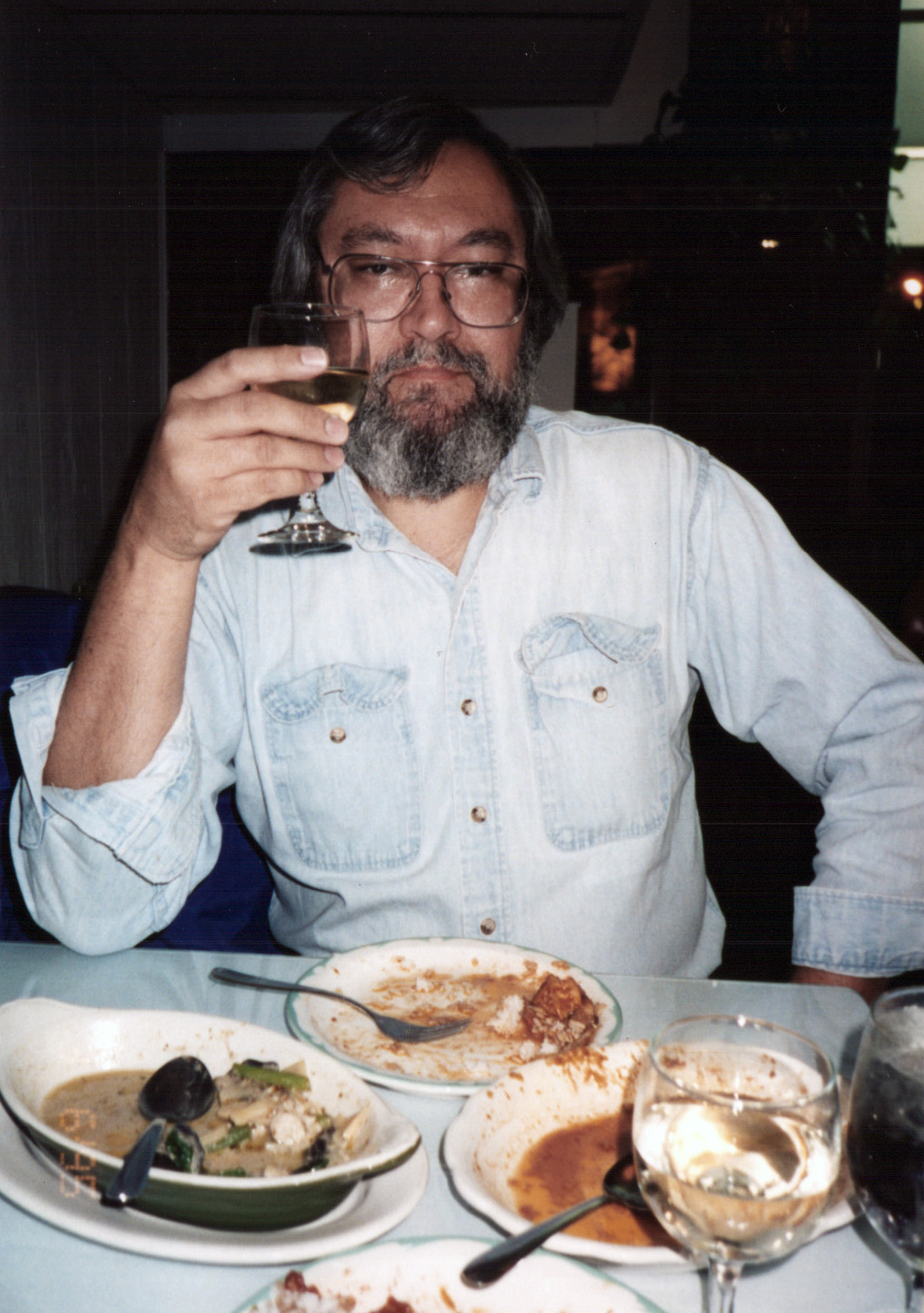
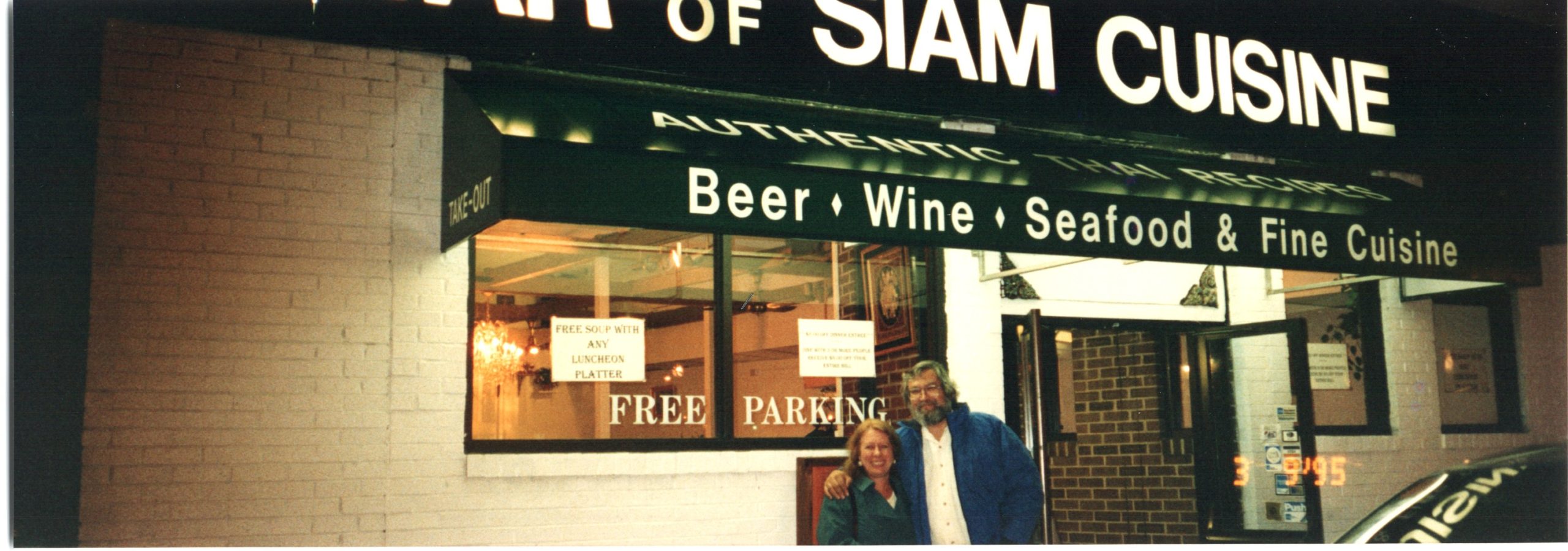
I remember that there was a lane in back of the hotel, and we discovered two restaurants back there that took us through the week. One was a Thai restaurant that we must have gone to three of the nights we were there. And there was also a pizza place that drew us in, or where we would pick up a pizza to take back to our room.

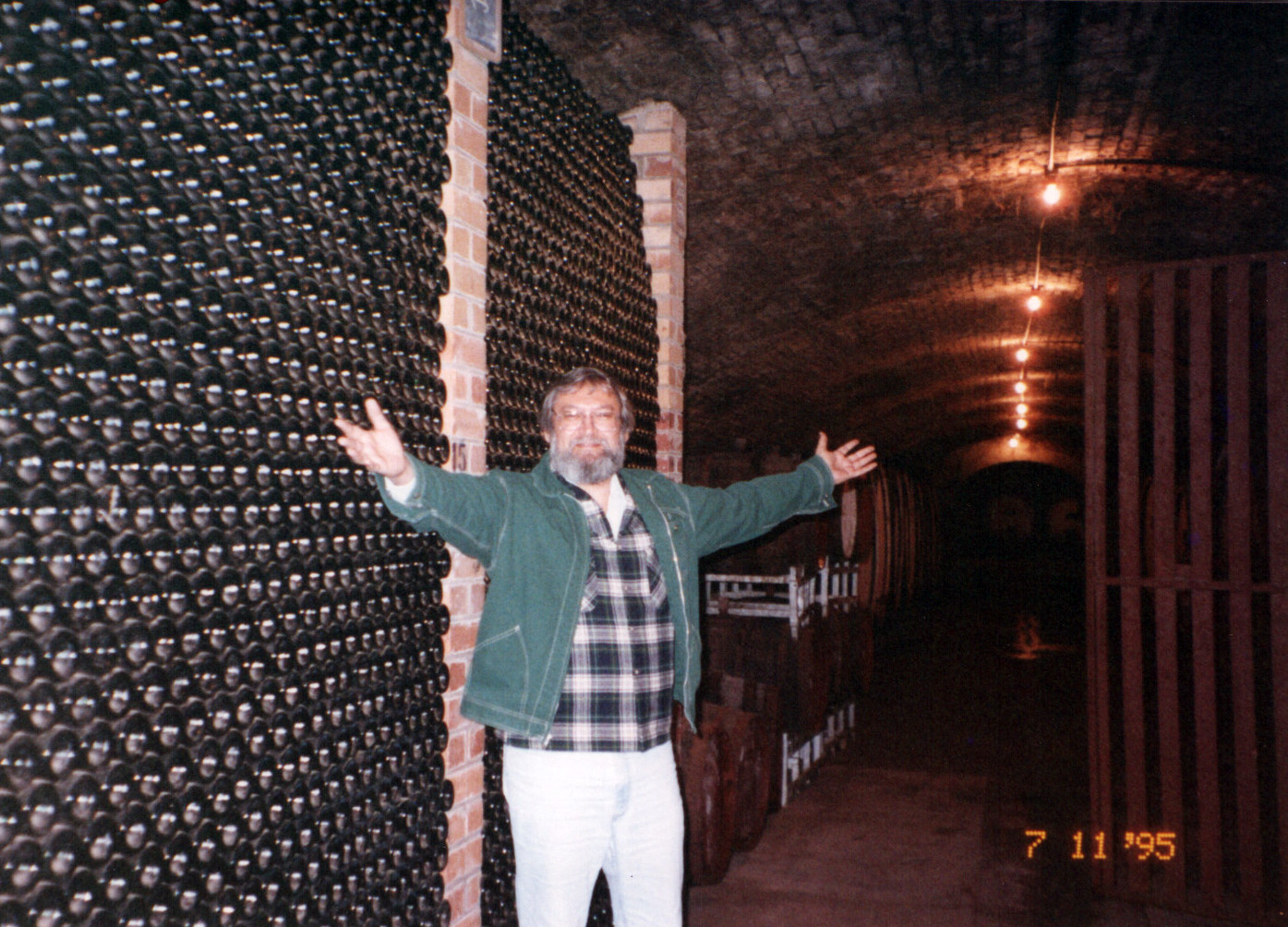
My favorite photo from our couple of weeks in Melbourne that same year was taken on a tour of the wine country north of Melbourne with a the husband of Meda’s colleague at the University of Melbourne.

Before the internet, there were clipping files

I’ll just attribute this question to the spring cleaning reflex.

I spent the past two days scanning an old blue binder’s worth of snapshots dating back to the period around 1987-1988. I can pretty confidently assign the dates based on the photos of our cats, including our first pair of calicos, Miki and Kua. We adopted Miki on Christmas 1986, and Kua in July 1987, while living in a townhouse project near Kahala Mall. And by May 1988, we had bought a house in Kaaawa and were in the process of moving. Photos of Kua as a kitten, and as a young cat, were scattered through this album, making the dating a relatively easy task. These photos all fell in that window of time, between mid-1987 and mid-1988.

And while pulling out the photo albums, I looked through other boxes containing miscellaneous files.

I’ve got boxes and boxes of old file folders containing notes, correspondence, documents, and newspaper clippings about a variety of topics. Back before the internet and readily available news databases, if you wanted to follow an issue, you clipped and filed news stories. Or you went to the library and worked your way through newspaper microfilms. I spotted a couple of thick folders of Kahoolawe-related clippings from 1976-1980, but there are many others. Underscore the “many.”

Throughout the 1970s, 1980s, and most of the 1990s as well, this was the way it was done. Read, clip, and file. And if I misplaced a file and needed to recreate that history, about the only recourse would be to go through those newspaper microfilms and their printed indexes to essential recreate the clipping file.

Today, of course, it’s quite different. Those clipping files are not an indispensable resource. An account with Newspapers.com now makes it simple to find news stories about a topic within a specified range of dates.

So here’s my problem. I would like to scan these old files, organize the scans, and dump the original paper copies. With written notes, letters, or documents, that’s easy. With newspaper clippings, not so much. It’s hard to feed them through the scanner I’m using, and they are often oddly shaped to fit into empty blocks on a newspaper page, or continued from one page to another. Scanning isn’t impossible, but with lots of clipping it would be a miserable task.

But I’m reluctant to just get rid of the files, even though I know that these copies can easily be replaced via an online search. But the clipping files represent an already curated version of the news. I wouldn’t have simply clipped every story on a topic. I would read and judge whether it was worth the time to clip and save. And looking back, it seems to me that knowing what I though was valuable at that time is important. It tells me about the nature of my interest in the topic independent of any notes the file might contain.

So…just throw out the clipping files? Put them back into the boxes and into storage again? I’ve considered making notes of the stories–headline, publication, date–and then throwing them out. But, again, a time consuming task.

Any suggestions on how to approach such a project?

How long is fifty years?

It’s an excruciatingly long time. Looking back, I can recall the key events as well as the twists and turns of life within each of the past five decades. So much life lived, so many things observed. But I can close my eyes and place myself back in certain events from 50 years ago, sense memory takes over, and I can almost relive those events again in my mind.

And today marks one of those long-ago events. It is the 50th anniversary of the Sunday, January 4, 1976 when I was part of a small group landing on Kahoolawe, later dubbed the Kahoolawe Nine, as a protest envisioned as a way to put the issues and concerns of Native Hawaiians on the national agenda at the start of the American Bicentennial. It started as the brainchild of Charlie Maxwell to highlight a bill in Congress to authorize reparations to Native Hawaiians for their loss of native lands as a result of the overthrow of the Hawaiian Kingdom in 1893 and its subsequent transition to a U.S. territory.

It’s sobering for me to realize that at least five of the original Kahoolawe Nine did not live to see this 50th anniversary–George Helm (d.1977), Kawaipuna Prejean (d.1992), Emmett Aluli (d.2022), and Stephen Morse (d.2025). The Maui News story about the Kahoolawe Nine in 2006 (see link below) reported Ellen Miles had died previously, although I couldn’t find a published obituary or other available record. Walter Ritte is the only other one of the original nine quoted in current news stories.

Maui Now published a story about the anniversary today, as did the Honolulu Star-Advertiser. For more of the story, I suggest Maui News reporter Kekoa Catherine Enomoto’s excellent story to mark the 30th anniversary in 2006, and my own Civil Beat column in advance of the 40th anniversary a decade ago. And SFGate.com did their own story for the 50th anniversary, providing a bit of national coverage.

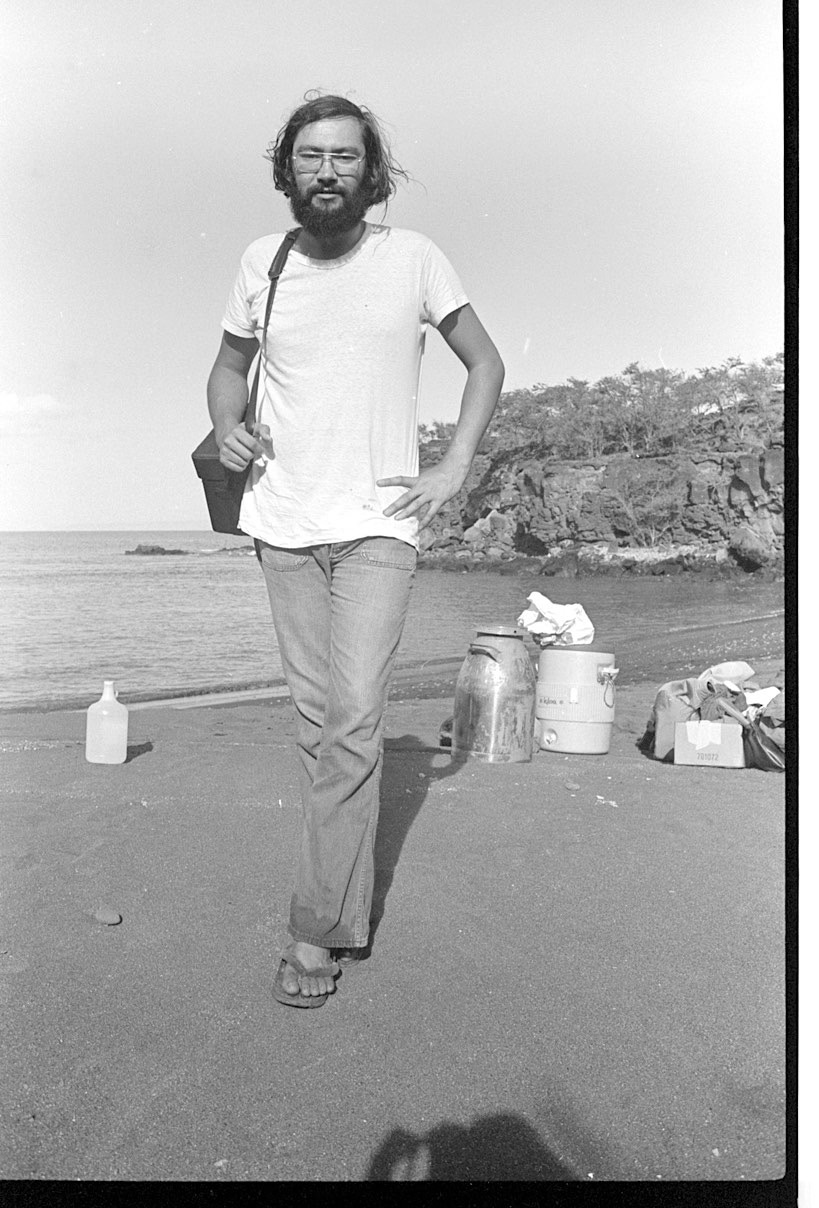
That’s a photo of me on the beach during our relatively brief time on Kahoolawe in 1976. Lots of my other photos of that first landing have also been posted online for several decades. Someday I`’ll get around to reposting better versions of those photos, but for now they’ll have to do.

Afterthoughts

Here are a couple of suggestions that I wanted to pass on.

First, “The Music of George Helm: A True Hawaiian,” recorded before his death in 1977, is available on Apple Music and, I expect, other streaming services as well. George was more than just one of the Kahoolawe Nine. He was a driving force in bringing Kahoolawe’s message to the public as he criss-crossed the state collecting music and stories as he constantly sought to expand his musical knowledge. It was, as I recall, recorded live at the Gold Coin lounge in downtown Honolulu and, as a result, is a bit rough around the edges in a few places. He was lost far too young.

I would would be remiss if I failed to recommend Steve Morse’s self-published memoir, “First Landing: Story of the Kaho`olawe Nine,” available in paperback on Amazon for just $8.99. I checked Powell’s Books, and Alibris.com, a used book site, in search of alternative sources but didn’t find any. It’s an easy read, based primarily on Morse’s personal recollections, but also placing events in a personal and political context. My copy of the book suffers from the choice of a very light typeface which makes reading a bit more difficult, but that shouldn’t deter you from reading Morse’s account.

And the University of Hawaii Press has republished “Na Mana‘O Aloha O Kaho‘Olawe: Hawai‘I Warriors—Love For Land And Culture,” the diaries of Walter Ritte Jr. and Richard Sawyer, written in 1977, “a day-to-day record of their thoughts and reflections when the two men occupied the island of Kaho?olawe for thirty-five days, using their bodies as shields to stop the bombing and desecration of the island by the US military.”

Also see:

Early days of the Protect Kahoolawe Ohana, February 1976

Walter Ritte on Trial 1976

Sovereignty Sunday, January 1977

PKO at the Federal Courthouse in Honolulu, 1977

Aloha Aina Newsletter 1978-79